
Your Labs Are “Normal” – So Why Do You Feel BAD? With Lisa Rosch
Presented by Akers Media Solutions, The N of 1 Podcast is a deep dive into what makes your health journey all about YOU. N of 1 Wellness is the practi...

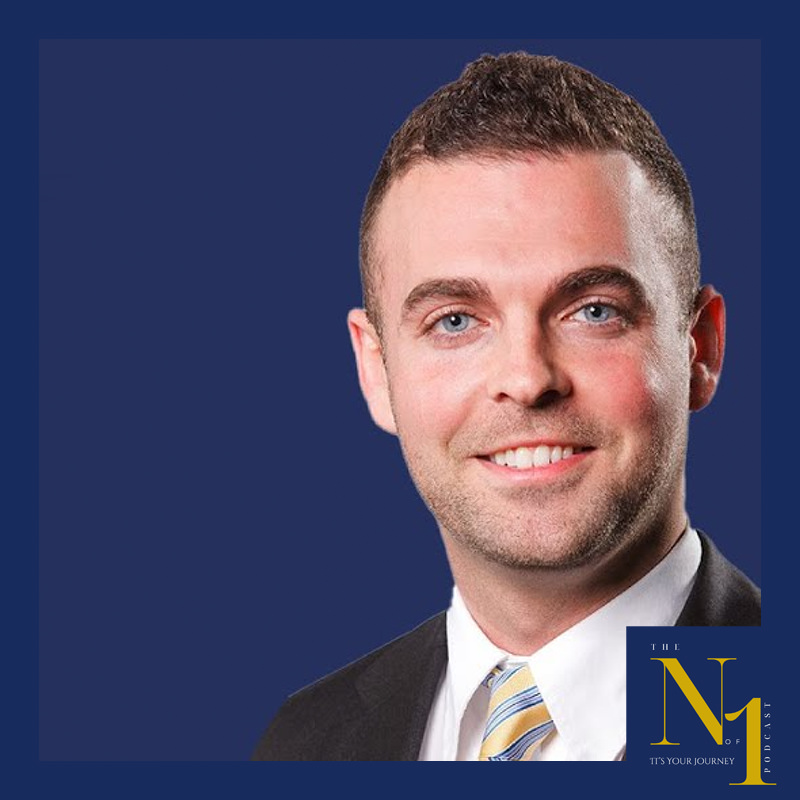
From maxgenlabs.com LinkedIn:
MaxGen Labs is a genetic testing company that aims to empower individuals to optimize their health through at-home genetic testing kits.We offer a variety of innovative solutions to empower our customers in taking control and optimizing their health by providing them with greater awareness about their genetic makeup and enable them to make informed health decisions.We help people prevent disease through more personalized and easy-to-understand testing kit results reviewed by our network of trusted physicians across the globe.We provide for the future of healthcare through genetic data. With simple-to-understand test results, we provide insights into your health. Along with this, there are also helpful hints and extra resources.We are a family-owned business that values client satisfaction and continuously strives for innovation. The whole team at MaxGen Labs is committed to doing provide testing without compromising price or privacy.
00:00
Speaker 1
Welcome to the n01 podcast. Today we are with our regulars, but we have a special guest today, somebody that actually I’ve been really wanting to talk to for a while. It’s hard to get a hold of this guy. We’ve got Chad Yarbrough from Maxgen. He is actually the founder of Maxgen, and we are so excited to have him here. And we have myself, Carmen, got Dr. Jamie McDowell, and Kevin. And we are just. We’re really going to dive in today about some genetics and things like that. But I think I wanted to tell a funny story. My first, like, exposure to genetic testing was obviously, I’ve had five babies, right?
00:33
Speaker 2
Right.
00:33
Speaker 1
So I thought I was really cool because, you know, I delivered my first three in New York City. And, you know, we’re a little bit more on top of things there in New York with medicine. And so I come to Tennessee and I’m like, oh, no, I’m pregnant again. I gotta get my hands on that test. Right. And they do have it. Right. It’s readily available for all women. But I think that was my first, like, oh, okay, can we really figure out something with genes here? And, you know, I was exposed to biology class, right. Where you learn the big T and the little T and the dominant and recessive. So I felt like I was kind of special because I thought I understood it. But I think today I need some education. What do you think, Dr. McDowell?
01:11
Speaker 2
You know, I think in the 90s, one of the things that we kind of looked forward to, were looking at the Human Genome Project. And in the 90s, the thought in medicine was, all right, as soon as we get all of the human genome mapped, that finally we can start to get to the bottom of disease. And so it happened. So, again, we’ve mapped out the human genome, and I think over the last 10 to 20 years, we’ve really been looking for. How can we use this information? I know a lot of my patients, maybe they’ve had genetic testing before. There’s 23 in me. There are all these different, you know, and a lot of it is entertainment purposes.
01:46
Speaker 1
Right. I did one for my dog, too.
01:48
Speaker 2
Sure. And, you know, there. There’s even some genetic testing that came out about 10 years ago that looked if you had a predisposition for certain malignancies, certain cancers, and I think the big problem that we had in medicine at the time was, is what do you do with this information?
02:02
Speaker 3
Right.
02:02
Speaker 2
I mean, you know, if you know that you’re going to get a cancer in the future, I mean, can you do something to prevent it? And that’s the problem. That’s where medicine is trying to catch up. We have all this genetic information and we have people who have these different variations in their genetic makeup, but at the end of the day, we don’t know what to do about it. And so what I think, Maxgen Labs here, and I’m so excited to talk to Chad, is he’s actually looking at genes that affect people’s everyday lives and ways that we can actually intervene in these specific, you know, gene processes, as opposed to just saying, okay, you have a slightly increased risk of a certain subtle cancer that you may never have that we’re not going to do anything about.
02:41
Speaker 1
Right.
02:42
Speaker 2
And so that’s what I want us to drill down on today is, you know, what is it that we can actually use this information for and how can we make people’s lives better?
02:50
Speaker 1
Well, Chad, welcome to our table.
02:52
Speaker 3
Well, thanks for having me.
02:53
Speaker 1
Yeah. We’re going to pound you with a lot of questions, but first, kind of tell us about yourself. I know you have a medical background and that you. I know I’ve heard from people that you had a passion for kind of starting this business. So tell us a little bit about the inception, kind of how you got started.
03:09
Speaker 3
Well, we started years ago in practice, actually worked with Paige Adams here in Nashville. We remember her back in the day. She’s passed away. But were using genetics to look at different pathways that had to do with vitamin metabolism. And were doing IVs therapy based off of these genetics. We’re having great results. Spectrum kids. We had them talking within 48 hours.
03:32
Speaker 2
Wow.
03:33
Speaker 3
People losing all kinds of weight, blood pressure stabilizing, I mean, you name it. We were having incredible results. And were using 23andMe, but using the raw data at the time. And then it came out that they were selling that raw data on the back end to like Genentech for drug research and God knows what. I’m like, oh, this is kind of. I don’t know if I’m comfortable with my patients data. Because your DNA is your blueprint. I mean, that is your Social Security number. You don’t want to give that out to anybody. Why do you want to give out your genetic code to somebody?
04:04
Speaker 1
Yeah, that’s kind of scary.
04:05
Speaker 3
We could sit here and have a really cool conspiracy theory, talk about what you can do with that data. In fact, there was a CSI Miami show once where the guy, the scientist took a bunch of like DNA of some. I think it was Cubans or something. He made a virus that only attacked them through a receptor that only they had.
04:24
Speaker 1
Oh, gosh, don’t get us started, right?
04:26
Speaker 2
I’m sure insurance companies would very much love to take this information and use it appropriately.
04:31
Speaker 1
Absolutely.
04:32
Speaker 3
So at that time, I was like, you know, there’s also genes that I want to see that I’m seeing in the research that’s not. Not checked on 23 of me. So I found a PhD geneticist and was like, hey, we got to make this happen, right? And another thing we had to do was I, I saw a lot of spectrum kids and a lot of single mothers coming in that worked at restaurants. And this type of work’s not cheap, right? This is not cheap at all. And insurance, very little insurance coverage. Back 15 years ago, were doing it and I had to have a way to help these kids without it costing five grand or two grand or a thousand.
05:08
Speaker 3
And we put this together and I wrote the algorithm and the report basically spit out what I would do with this client based on the genetics that we tested. And it was a very easy to read report. And that’s kind of how we got started, right? And then doctors started asking, hey, can we use this in clinic? I’m like, yeah, absolutely. And then fast forward now. We’ve got over two or three thousand doctors from Singapore, Australia, Dubai, Canada, are everywhere now.
05:34
Speaker 1
Wow. I mean, we are so fascinated because, you know, here At N of 1, we focus one patient at a time. So I think you and I have a lot of a similar approach to what we’re. We’re doing here. It’s not a study of, it’s not n of 100, right? No, we’re n of 1. We’re talking about the one person. So you’re right, like finances is a thing because you have to budget that in for yourself to know that, like, if people are going to spend time on your case, then that’s part of it. But I mean, getting back to the testing, I did the testing recently. Kevin did the testing.
06:01
Speaker 1
And I guess my biggest question for patients of ours is, you know, when you, I guess, tell us a little bit about the test first, and then my biggest question will be, what do we do with that testing? Like, how do we. We know it’s a blueprint. We know it is our, we call it our bible. I think somebody in your office told me that it’s your bible of your. Yourself. Right. And your genes. And I don’t know really how to explain to people why this is so amazing.
06:27
Speaker 4
Well, to add to that, I think the Pandora’s box idea, you know, we look at your genetics and everybody gets a little freaked out that we might be opening Pandora’s box here. And what would you have to say to people who are worried that they’re going to uncover something that is not something they really want to know down deep.
06:47
Speaker 3
I mean, that happens a lot with, like, APOE and dementia risks. People don’t want to know, but knowledge is power here. And I’ve had. I’ve. It’s hard for me to say, but I’ve reversed some early onset dementia with doing this work. Like, I had a lady, she couldn’t even remember how to. I mean, why she was seeing me. She was calling my office every day, like, why am I seeing Dr. Yarborough? And she had all these crazy detox genes that were all sorts of messed up. And were supporting them nutritionally with. With targeted nutrition supplements and sauna. Every couple days in the sauna. And she was calling my office every day. And we could judge her how she was doing by how often she was calling.
07:28
Speaker 1
She couldn’t remember she was calling.
07:29
Speaker 3
She couldn’t remember she was calling or why she was seeing us.
07:31
Speaker 1
Oh, my goodness.
07:32
Speaker 3
And then the calls went from every day to once a week and then to once every other week, and then it stopped. And she was coming in, taking her stuff and getting in the sauna. We cleaned up her diet, cleaned up her lifestyle, and she called one day like, hey, I’m. I’m good. And this is a woman that Mayo Clinic said, go home and make arrangements. This is a woman that Vanderbilt sent home. Make arrangements. She’s fine.
07:56
Speaker 1
Wow. So, I mean, I know this because, as I mentioned, I guess prior to production here, I worked in New York with a neurologist and were giving things for Alzheimer’s dementia, and it was off label. But I’ve seen these things happen. And it’s like we need now in this market to tap into these things. Right. So how can we use genetics and how can we use Maxgen? And how can we. How can we help our community to A, raise awareness about it and B, how can we help them, you know, with longevity?
08:30
Speaker 3
Well, applying genetics. Look at your normal blood panels that we run. The blood panels are great. I love them, but they’re. They’re a Snapchat or Snapchat. They’re a snapshot of. Of what’s going on biochemically at that minute moment.
08:44
Speaker 1
Yeah, yeah.
08:45
Speaker 3
And if you do that over a long period of time, you Get a pretty good idea what’s going on. But genetics gives you the tendencies that patient’s going to have for their life.
08:55
Speaker 1
Right.
08:55
Speaker 3
You know, and if someone has, say, a folate receptor issue genetically, we’re going to want to run an RBC folate to look at how much folate is actually getting through that receptor into the cell because their serum folate levels will be normal. And the Same goes for B12. So without knowing that we might not have ran an MMA or ran an RBC folate without knowing that info. So it gives us a more precision and N of one type approach to treating that patient. But, but even ordering labs, what labs do we order on that person? What are they going to have a tendency towards for the rest of their life? And what’s the dementia risk factors that have apoe? You know, if you have mthfr, that’s going to compound that too.
09:38
Speaker 1
Right.
09:38
Speaker 3
And all these things are things that we can address early on.
09:42
Speaker 1
Let’s, let’s go there with MTFHR really quick. I think first we need to define it because we’ve talked a little bit about it. But more importantly, let me tell you what my doctor told me. He said, you may not, you know, you may not be. You may need a different kind of vitamin, so let’s just pretend you have the MTHFR gene. And I was like, pretend. I was like, I want to know if I have it, like, do I need methylation or do I not? And so I think for me, that was really confusing for the, you know, general doctors to be kind of approaching it like that. So first of all, tell us a little bit about MTF HR gene.
10:19
Speaker 3
Well, it’s, we call it the gateway gene. It’s the one everyone hears about first. You can get that ran at Quest, LabCorp, whatever. But to be honest, I kind of cringe when I see somebody that has a LabCorp test that’s MTHFR. If you’re only looking at that, in my opinion, it’s almost malpractice because there’s so much more to that pathway, right, than just mthfr. You got two or three other folate genes, you got absorption genes. You know, some people don’t do well on, you know, MTHFR is what methylates folate. So folic acid, which is synthetic, no one really should be eating that anyway. But, but dietary folates, like dihydrofolates, it turns it into methylfolate, and that’s what we use in the methylation cycle, which is part of phase two.
11:00
Speaker 3
Liver and we use that to also produce neurotransmitters and break down different things and, you know, break down homocysteine for cardiovascular risk. So if someone has it, typically we give them a little methylfolate and just bypass that genetic variation. And you can see dramatic improvements in neurocognitive things and add ADHD and just low mood to depression.
11:25
Speaker 1
But yeah, so my doc. So after the max gen test came back for me, I don’t have it right. So I’m like, okay, now am I safe to take normal folic acid or not? You know, and. And you just don’t know. I mean, I don’t have the education on this part of it, especially for patients who do have the gene. And if you don’t know, that puts you in a third category. Right, Right.
11:52
Speaker 2
So one of the things that we do know about MTHFR was get that acronym wrong, is that, you know, obviously you create an amino acid called homocysteine. Right. And so for years, looking at a normal blood panel, what do we do? We look at your serum cholesterol level and we even break it down into LDL and hdl. Good cholesterol, bad cholesterol. What we do know is that if someone has an alteration in this MTHFR gene, that they have elevated homocysteine levels and thus they have an increased risk of having cardiovascular events, having heart attacks, and having strokes. Now, this has nothing to do with treating the cholesterol that your doctor tests in his. In his office. He’s just treating a cholesterol at one moment.
12:40
Speaker 2
But yet you can see if somebody has a predisposition for the MTF HFR gene, they’re going to have elevated cholesterol, and we could do something specifically to take care of that instead of something like a statin that has.
12:53
Speaker 1
Makes you feel like crap.
12:54
Speaker 2
And we don’t know that there’s any benefits to them quite yet. In fact, we’re starting to see that perhaps statins may cause Alzheimer’s and worsening of dementia in elderly folks who’ve been on them for years. I mean, we need to find alternative therapies, and this is one avenue to do so.
13:09
Speaker 1
All right, so back to the test. I’ve done my test, right? I figured out I don’t have MTF HR, but I do have some B12 issues that I might have an increased need for methylbaliman. I might have carry one copy of the Fut 2 variant, and this may slightly affect my B12 levels. And guess what? My B12 levels are always low. So what do I do about that?
13:32
Speaker 3
I love this B12 page. I love me some B12.
13:37
Speaker 2
So for our audience, there’s an entire genetic testing. We can look at vitamins, we can look at neurotransmitters, we can look at cholesterol, we can look at any number of things. So we’re looking at her specific test on vitamin B12 or methylcobalamin.
13:50
Speaker 3
Let’s. I kind of want to pick up on something you said too. With the folate and mthfr, kind of asking about your doctor was just like, let’s just assume you have it.
13:57
Speaker 1
Yeah.
13:57
Speaker 3
The homocysteine that we talk about breaking down by MTHFR is actually broken down by two other pathways too, the BHMT and cbs. We have those in the peripheral in the blood. We don’t have those in the brain. We only have the MTHFR MTR pathway to break down homocysteine. So if you have. This is theoretical because we don’t. You can’t do a spinal tap on everybody that comes in the door.
14:21
Speaker 2
Right.
14:21
Speaker 3
If you have MTHFR, the C67 variant and a normal homocysteine in the serum, that’s still not really what may be going on in the brain.
14:30
Speaker 2
I see.
14:31
Speaker 3
So we’re seeing some dementia risk with the THFR as well. So it is important to know even if you have, you know, normal homocysteine levels.
14:39
Speaker 1
Right.
14:40
Speaker 2
So incredibly important.
14:42
Speaker 1
And even if you have the gene for it doesn’t mean that you have it.
14:45
Speaker 3
Right.
14:46
Speaker 1
So it’s kind of. And that goes back to my initial question. I’m jumping all over the place here, but I’m so excited I can’t stand it. The testing will help you identify what your kind of bible is. Right. It doesn’t mean that this is what’s going to happen. It’s not looking into the future, so to speak. It just tells you how you can help yourself. And how can we like help people like me, you know, middle aged women who are coming in. I get this testing done, I’m still learn how to decipher.
15:16
Speaker 2
What do we do with this information is what you’re getting.
15:18
Speaker 1
Yeah, yeah. Tell us how we can help. Why is this going to help? Somebody like me doesn’t really have any medical problems. A little overweight, probably needs a little hormone adjustment and attitude adjustment, but other than that I’m all right, you know.
15:32
Speaker 3
Well, it definitely gives you. You never know what’s going to pop up.
15:34
Speaker 1
Right.
15:35
Speaker 3
And what we do in functional medicine and What I like to do is come at somebody, it doesn’t matter if they’ve got, you know, their wrist hurts, they got back pain and, or their cholesterol is high. I take a systemic approach and then work locally. If someone’s under a lot of oxidative stress, they got a lot of, you know, low B12. All this can manifest in different things and cause local problems. Instead of just like, oh, your wrist is hurting you. Okay, let’s look at your wrist. So the genetic test really is designed, ours specifically is designed from a systemic to local kind of thing. We were talking about that earlier, the beginning pages we’re looking at histamine issues and inflammation. All of those can cause things further in the report but you never know what’s going to pop up. You really don’t.
16:20
Speaker 3
And there may be things that show up that you didn’t expect and you treat it, you’re going to get an unexpected result. I had a lady, my neighbor the other day, she wanted to run it and so I gave her one. We were, you know, she cleans my house so sure, you know, clean my house a couple times, get free kit. Yeah, works for me. And she had to see a CBS variant which is an upregulated gene that causes a lot of ammonia and you know, ammonia causes, you know, brain fog, fatigue, things like that. So we started giving her a product from professional health products. I don’t know if you’re familiar but they have an ammonia product. And she calls me a couple of days later, she’s like, could this affect my bowel movements? And I’m like possibly, yeah.
16:59
Speaker 3
She’s like, I have been regular for the first time in my entire life since taking this product. I’m like well that’s cool, I didn’t expect that. How’s the brain fog? She’s gone.
17:08
Speaker 1
Wow, wow.
17:09
Speaker 3
So you don’t, you never know what’s going to pop up in these reports.
17:13
Speaker 1
Well and if you’re talking about middle aged women and brain fog, I mean it’s not just hormones, right? It can be something simple as that. I mean maybe not so simple but.
17:23
Speaker 3
Or histamine.
17:24
Speaker 4
Well in Chad, just because somebody has a genetic disposition towards something doesn’t mean that they’re actually going to manifest that into no something. Right. So what are the triggers or the lifestyle that kind of makes these genes turn off and on?
17:42
Speaker 3
So a lot of these genes specifically like mthfr, it’s been around a long time and it’s not causative of disease. Like traditionally we look at, you know, genetic testing normally is looking at causative issues. So like genetic doctors, geneticists, you know, down syndrome, things like that. That’s completely different. We’re looking at it from a functional point of view. Mthfr, in my opinion, is kind of a disadvantage. It’s not a disease, it’s not something you can treat. That person is at a physio, a biochemical disadvantage in that pathway. So genetic testing gives us our strengths and our weaknesses and where we need to focus on. So that patient, you know, we’ve. If someone’s leaving a very clean life, they’re not stressing their methylation and detox pathways that much.
18:26
Speaker 3
They may have, you know, homozygousy, the bad mthfr, they may have no symptoms because their life is so clean. The problem is, in my opinion, we have hundreds of thousands of chemicals in our environment that’s added every year. I forget the actual number. We have to detox that stuff out every day. Every day, it doesn’t matter. I mean, there’s the paint on the walls, voc, this rug, everything is off gassing. We have to detox all this stuff out. So as our environments become more toxic, these genetic variants are becoming more prevalent and causing more issues or the issues that they can cause is becoming more prevalent.
19:04
Speaker 1
So let’s take a hot one here. Obesity. All right, let’s say you have, you know, some sort of the genetic predisposition for obesity. And we know that’s a problem. You know, your family. Let’s take me, for example. My family, you know, has this obesity issue and I fought it my whole life and I’ve done everything I can to try to fight it. I’m doing a pretty good job. I mean, but I’ve had way too many resources used. You know, how can we help someone with obesity genetically, knowing what we know from the testing there?
19:40
Speaker 3
Once again, this goes back to working from a systemic to local thing. If we’re looking at an overall inflammation, overall histamine, things like that, how is that influencing our immune system? How is that influencing our metabolism? Is that turning it, Is it slowing it down? Possibly. So getting somebody on the correct diet, eating the correct things, and even like food sensitivities, we look at gluten, we look at peanuts, we look at dairy. There’s one gene, APOA2, that we like to look at. People who have that tend to gain a lot of weight with dairy products. So if you find that and you remove dairy from their diet, they’ll drop seven Pounds a month.
20:20
Speaker 1
I feel like every functional medicine doctor wants to put you on a gluten free, dairy free diet. Yeah, every single one.
20:26
Speaker 2
Well, I mean, obesity is one of those disease processes that you can look at multiple different pathways. You know, the first one is appetite. You know, how does your GI tract respond to having a meal? What is your response to say, a GLP receptor or say a ghrelin receptor or a leptin receptor? And so that’s one avenue that you can use to obviously intervene. How, what are your, you know, keys? Another one would be, all right, what is your insulin sensitivity and how is your insulin sensitivity different from other people’s insulin sensitivity? Because we all know that insulin resistance is the major cause of obesity, at least in America today. How, how quickly do you go into insulin resistance when you have a big carbohydrate meal?
21:12
Speaker 2
There are variations in that certainly we can look at and we can counsel patients not necessarily giving them a drug, but we could sit there and say, look, maybe you should lay off that second piece of pie every night, because guess what? You know, you’re going to go into insulin resistance far more than your average person because you have a genetic predisposition to do so.
21:30
Speaker 3
So is overeating, right? That’s genetic.
21:33
Speaker 2
Exactly.
21:33
Speaker 3
If you look at it like you, the hunger signals don’t fire correctly with you. You’re not going to feel hunger until it’s too late. So you portion control with those individuals. You’re not going to feel full, but you will a little bit later.
21:46
Speaker 1
You know, that’s a really good point because when I was messing around in New York doing things that are off label, a couple of friends and I and a doctor got lap bands. And you know what’s really sad? I never knew what satiety was until I got the lap band. And that told me something right there. That was my first clue. To say something genetic within me is messed up because I can’t feel fullness. I can eat twice as much as my friend on a vacation and gained twice as much weight and she gains nothing. And it’s like it took us until 20, 25 to start figuring out these things. Really?
22:30
Speaker 3
Yep.
22:31
Speaker 1
So tell us how that genetic stuff can help somebody with obesity. What are the, what are the things in this report that would give me some indication of things that I can do?
22:41
Speaker 3
There’s so many things, you know, we wanted to put a weight loss page and I’ve really wanted to do that, and I haven’t done it yet. And I’ve kind of been on the fence about it because the way. Well, the way the report’s set up, it’s built into it. So if you’re overweight, you’re going to. If you follow the protocol that the report says, you will lose weight. If you get. If you optimize the diet, you optimize the nutrients that they’re eating, they will lose weight. And these people who can’t, they don’t feel full. You’d have to take that in their own hands cognitively. Okay, I’ve ate enough. I need to stop. You know, and that’s.
23:21
Speaker 2
Perhaps that’s a patient that wouldn’t respond very well to, say, a GLP one. Yeah, that’s those receptors that’s on it. As many receptors.
23:28
Speaker 1
That’s. That’s one of the things that is really interesting about these. This test because it tells you what you’re. If you’re, you know, sensitive to GLP1s, and that is really helpful because why would you spend $3,000 on GLP1s and then to figure out that they don’t work for you?
23:42
Speaker 3
Right.
23:43
Speaker 1
That’s one good thing I would say. That was my number one takeaway from my test, is to know that, you know, you can advise people if they’re. If they should do that or not.
23:52
Speaker 3
Right. And it’s a statistic, so it’s not always 100% accurate, but at least narrows it down to, yeah, it’s. It might work, it might not. But same for berberine. We recommend berberine next to the GLP1 section. Which Berberine has some GLP1 activity.
24:05
Speaker 1
Yeah, I take that now.
24:06
Speaker 4
But I mean, how often does our clients literally look around and they go, oh, I’m doing the same diet my neighbor did. I’m doing the same exercises, and I’m not getting anywhere near the results that they’re getting.
24:19
Speaker 1
Or I’m taking the GLP1 and I’ve been on it for three months, and I haven’t had any results.
24:23
Speaker 4
Right.
24:24
Speaker 3
There’s. There’s so many things in our. In our world of functional integrative health and wellness, like, for instance, kombucha and fermented foods. You know, we give those to people all the time to help increase the gut biodiversity, increase the flora. Fermented foods have a ton of histamine in it. And if we can’t. If you’re genetically predisposed to not being able to break down dietary histamines.
24:50
Speaker 1
Dude, I hope that’s on my report.
24:52
Speaker 3
It is.
24:52
Speaker 1
It’s because I don’t like kombucha.
24:54
Speaker 3
Yeah, I am. I, I have it. If I have kombucha, I get real. I guess I don’t know how to explain. I get a little spicy, like a little headache kind of thing. Brain fog. But you’re throwing gasoline on a fire. Especially in an IBS patient that has that.
25:09
Speaker 1
Yeah.
25:09
Speaker 2
You know, or a patient has a leaky gut.
25:12
Speaker 3
Exactly.
25:12
Speaker 2
Or, and this is obviously something that can be confused with say, gluten, enteropathy, celiac disease. And we’re telling them, okay, stop eating wheat bread. Well, maybe it’s a genetic cause.
25:24
Speaker 3
Right.
25:24
Speaker 1
So let’s back up here for a minute. After taking a max gen test, kind of walk us through it. You know, tell them how you do it and how long it takes and what you’re looking for initially.
25:38
Speaker 3
So the testing is, it’s, I recommend doing it in office. Swab them in office. Because you give these to your patients, they tend to take it home and sits on the counter and they forget about it.
25:47
Speaker 1
Right. Handling of it is really important, I think.
25:49
Speaker 3
Yeah, just swab the cheek. It’s simple, it’s non invasive. Not a blood draw. Literally, just swab. You can do.
25:54
Speaker 1
I do them here in the office. So.
25:55
Speaker 3
Yeah, one day you’re a baby. Doesn’t matter. Genetics doesn’t change. One time when they’re done. Yeah, they rescinded into us and we use a non toxic preservative to preserve the DNA in transit. A lot of labs don’t do that. We’ve noticed that. Just, we get better results. It’s worth the money to buy that. And we get a report back in about seven days. Right now we advertise two weeks, but really it’s right about one week. Wow. We’re really trying to hustle and do things that help practitioners see patients and give people the pace of mind quickly.
26:29
Speaker 1
Right.
26:30
Speaker 4
So what are the sections broken down into when they get their results back?
26:33
Speaker 3
So we, one of the, we just did an update this past year, last year. One thing with genetic testing and a lot of other labs is the reports are kind of hard to navigate. There can be a hundred pages of data you got to go through and you don’t know what to do. And some of them kind of try to prioritize and tell you where your big areas are. I broke it down into three sections or from four now. But the first part was the foundational section, which is like how to clean up your diet. You know, are you sensitive to plastics Are you sensitive to phthalates and parabens? You know, which environmental toxins are you really the most sensitive to? Focus on removing that and cleaning up that area of your life. You know, what about food dyes, food additives, histamines, those things?
27:19
Speaker 3
So it’s all about cleaning up your environment at that point. Because these things like smoking, all these environmental toxins flood our liver and we can’t break down our hormones. Then we get cancers and all of this stuff. So we’ve actually looked at a lot of cancer research when we designed this report. Of course we don’t mention cancer, but that’s what all the research is on, that we had to pull from to find these genes that we want to look at. And theoretically, if we can help improve those pathways, the risks go down and that’s what we’re trying to navigate in the function or the foundational pages. Removing things from your diet that offends you. And then we go into the core section. The core is doing more active, nutrient active therapies with these people giving specific forms of B12.
28:02
Speaker 3
Which form is going to work for you the most? And we look at even that fut2 gene you’re looking at that actually will modify yours, won’t. Yours is not your heterozygous, it’s not homo that will actually artificially inflate B12 levels.
28:16
Speaker 4
Can you explain homo versus hetero for everyone?
28:18
Speaker 1
Yeah.
28:18
Speaker 3
So a homozygous variant means you got a bad copy from your mom and your dad. Hetero means you got one copy from one of them.
28:25
Speaker 1
So it might, I might not have.
28:28
Speaker 3
No hetero on that one. I don’t really worry about. It’s the homozygous and I have the homo on that one. So I can tell you all about it. It’s quite interesting and it’s a very misunderstood gene snip. But the interesting thing here is it will artificially inflate your B12 levels by about 20%. Now you as a clinician, if you don’t have that information, you can’t give them extra. You may miss a low B12 patient. They may is no joke, right? Yeah.
28:53
Speaker 2
Pernicious anemia is no joke.
28:54
Speaker 3
Correct. So low B12, if we miss it, if you look on the reports, we actually give you a range of where you need to have your serum B12. That and then if you look at the CD320 gene there, that’s on the membrane of the cell, this guy is what actually absorbs the B12 into the cell. So if that has an issue. Your serum level will be normal, but your cells are starving at B12. So they can have B12 symptoms, but they’re normal. Their labs are fine.
29:22
Speaker 1
So then if I take a B12 shot and then I get my labs done and I’ve been taking B12, it’s going to act like it’s through the roof, but really it’s not.
29:30
Speaker 3
We, we tend to recommend lithium orotate to help get that into the cell. I love.
29:35
Speaker 4
Yeah, I currently take that because I actually have the Alzheimer’s gene.
29:38
Speaker 3
Oh, nice.
29:39
Speaker 1
All right, so that was one of my questions. We can lead into that. What do you do when you take this test and you have the genetic predisposition for Alzheimer’s? Like, that’s like a scary thing, right? Especially if your parents had it, your grandparents, and you’ve seen somebody go down. It’s. It’s tough.
29:56
Speaker 3
That’s. That’s such a huge topic, especially in longevity coming up. And I’m harping on that hardcore when I’m speaking at longevity events. Like, you can look great if your brain’s toast. No one cares.
30:07
Speaker 1
I mean, right.
30:09
Speaker 3
People doing P shots and O shots. Sexual wellness, that doesn’t matter if you can’t remember anything.
30:13
Speaker 1
Right?
30:14
Speaker 3
So, I mean, the, it’s important to know these things. The dementia apoe. But there’s so many things we can do for it and we. It’s all tied into the report. So if we clean the diet up and we clean, you know, the amount of toxins. Do you want me to talk about that case we had?
30:30
Speaker 1
Yeah, tell us about that.
30:31
Speaker 3
That was a really cool case. So I had a lady who came in. Did we talk about that on this yet?
30:37
Speaker 1
Not yet. Not here.
30:39
Speaker 3
So she came in to see me. She’d been to Mayo Clinic, been to Vanderbilt. They said, go home and make arrangements. She had early onset dementia and she was calling my office every day saying, why am I seeing Dr. Yarper? Why am I coming in? What am I doing all this for? And it was every day.
30:53
Speaker 1
She couldn’t remember. She was calling, remember.
30:56
Speaker 3
And she had some pathways in the detoxification areas that we look at, and were supporting those nutrients and removing the things from her environment that stress those pathways.
31:07
Speaker 1
So, such as anything.
31:10
Speaker 3
Phthalates and parabens are in all of our personal care products. They screw everything up. Smoking is a huge thing, too. I mean, if you look at smoking and the CYP genes, it affects that she smoked. I don’t remember. She don’t think she Did. But she had, like, part of agent or 2 4D in her system. Part of Agent Orange. We still. We still use that stuff on lawns now. She had butadine in her system from tire rubber. Butadine has caused all sorts of endocrine issues. And we grind those. I’m gonna get on soapbox here. We grind those tires up and we put them on kids playgrounds. And they play on that, right?
31:45
Speaker 1
Yeah, yeah.
31:46
Speaker 3
Smell of gas.
31:47
Speaker 1
Terrible.
31:48
Speaker 3
That’s butadine. So we. We supported her pathways nutritionally, you know. No, no pharmaceutical interventions, because all these things respond to different nutrients like folate, broccoli, Rafin, all these different things. And put her in a sauna. I love sauna.
32:04
Speaker 1
And infrared.
32:05
Speaker 3
Infrared sauna. Love sauna.
32:07
Speaker 1
I work out in an infrared five, seven days a week.
32:09
Speaker 3
Good for you. I love. I have one in my house and I don’t use it enough, but shame on me. But we noticed she stopped calling every day. She started calling every other day and then calling once a week and then.
32:22
Speaker 1
Stopped calling altogether because she remembered why she was calling.
32:25
Speaker 3
Yeah. And then one day we had a voicemail from her like, hey, I just want to thank you guys. I’m back to normal. Really, really want to thank you. And I’m thinking you could at least come in and said hi. Yeah, you know, it drives me crazy. Patients don’t do that.
32:38
Speaker 1
Yeah.
32:39
Speaker 2
So for the lay public, I think it’s really important to lay out. You know, Alzheimer’s is a devastating problem. Our treatments for Alzheimer’s basically mess with neurotransmitter levels, but they don’t do anything to improve brain function. And in fact, you know, for the last 20 years, the research around Alzheimer’s has been around this amyloid protein that you see under a microscope. Right. So when you take people who have died of Alzheimer’s and you look at their brains under a microscope, they found this protein. It’s called amyloid. Right. And so for years, they thought that it was the amyloid protein that caused the problem in the neurologic function of the neuron.
33:20
Speaker 2
And so they went for years to try to come up with a way to reduce the amount of plaque formation, this amyloid protein that’s found in these cells and were successful in doing so. Did it do anything to help these patients neurologically?
33:34
Speaker 3
No, it didn’t.
33:35
Speaker 2
And so we’ve been set back a little bit. And so now the latest research is this idea of type 3 diabetes. And. And that Alzheimer’s is the result of years of insulin resistance. You know, increased carbohydrate intake, and on top of that, all of these toxins that we’re breathing in every day. And it has become an epidemic problem and western medicine is not addressing it appropriately.
34:00
Speaker 1
Close the playground. Open the forest.
34:02
Speaker 3
Right, right. Amen.
34:05
Speaker 1
Yeah. So this is kind of crazy, but what would you say is the most alarming thing that you’ve seen on somebody’s genetic test? Like if you had to think of something really crazy and scary, what would you say is the most alarming?
34:22
Speaker 3
There’s a lot of patterns that are kind of scary when you see them. Two come to mind. Well, three come to mind. One is that we’re talking about with dementia, the apoe. Four. If you have that and you have mthfr, you really need to work on things. We really got to fix that methylation, we got to really get your pathways working. If you’re insulin resistance, we got to fix that now. And there’s things we can do for that. We have to start that and we have to start quick. Another thing I worry about is an estrogen metabolism. There is a CYP1B1 gene that breaks down estrogen into a catechol estrogen called 4 hydroxy estrogen. That’s a very reactive form of estrogen. And my friend Tara Scott is going to do a webinar for us soon on this. She’s an ob gyn.
35:18
Speaker 3
I love her to death. She’s great.
35:20
Speaker 1
Oh, I can’t wait for this.
35:21
Speaker 3
Yeah, she’s great. But when this CYP gene is got issues, it speeds up, so it produces a lot of this CYP genes. We typically are sped up. Other genes are typically slowed down, but we are flooding this and then that, that estrogen is a catechol estrogen. So it’s broken down by cont. That catechol. We typically look at that for adrenaline, for epinephrine, met, for psychiatric meds and breaking down dopamine. But those catecholamines. But these are catechol estrogens, so that’s breaking that down too.
35:53
Speaker 2
So it has the effects of both catecholamines and estrogens.
35:56
Speaker 3
Catechol estrogens, yes.
35:57
Speaker 1
That’s tom T. Right.
35:59
Speaker 2
That’s terrifying.
36:00
Speaker 3
Yeah. So if you have a slow comt, you’re not breaking down that 4 hydroxy estrogen like you should, but if you have that fast CYP that’s making, you’re flooding your body with so much of that really reactive estrogen, your rates of disease is going to skyrocket.
36:16
Speaker 1
So is this potentially, and this may be totally unrelated, why they had said all the things about cancer and menopausal treatment, or am I opening up a total can of worms? I’m on to something.
36:35
Speaker 3
You’re on the right. I think.
36:36
Speaker 2
So what if we give exogenous estrogen to somebody who has this comt gene?
36:42
Speaker 3
You gotta watch it. Yeah, you gotta watch it.
36:44
Speaker 2
So this is gonna be something that’s critically important.
36:47
Speaker 1
So.
36:47
Speaker 3
And this is something you wouldn’t have known if you didn’t done the genetics.
36:49
Speaker 2
Right.
36:50
Speaker 1
Right. So reason number one to do genetic testing is to help you have insight into what you need to do when your body starts to have decline in our peptide and hormone levels. Because once you start to try to replace them and they dip, disease process creeps in.
37:07
Speaker 3
Exactly.
37:07
Speaker 2
I mean, my point is this is that medicine, at least for the last 20 to 30 years, has been about prevention. Right. When you go in and see your primary care provider and they check your blood pressure and your blood pressure is elevated, they’re going to treat that. Right.
37:20
Speaker 1
They didn’t start with prevention until like the 90s, before it was like, let’s treat everybody. Then they started with this prevention baloney and then trying to give a bunch of drugs now.
37:29
Speaker 2
Well, this is prevention. I think that actually works. I mean, you think about it. If you think about, you know, if somebody has a.
37:35
Speaker 1
But they don’t want to help us with prevention. I mean, modern medicine doesn’t.
37:38
Speaker 2
Well, I mean, they’re gonna. Their insurance company’s gonna pay for that blood pressure medication. That’s may or may not do something.
37:43
Speaker 1
Right. But they’re not gonna pay for this test.
37:45
Speaker 2
Well, right. And so I think that this is a much more accurate way to treat. If you are trying to prevent disease, this is the way to do it.
37:54
Speaker 3
Yep.
37:56
Speaker 1
So if you. Let’s. Let’s take the perimenopausal menopausal woman who doesn’t know if they have the COMT gene and they take too much estrogen. And you know, we also partner with Dutch and that’s a really good hormone testing because it’s the metabolites of the hormone. So tell us about someone who might be in trouble if they have this gene and don’t know it with what they’re taking for estrogen replacement.
38:23
Speaker 3
I mean, that’s a. That’s a question for Tara. That’s her. Her wheelhouse. I actually worked with her and a couple other people from Precision analytics that do Dutch designing ours. If you look at our hormone Page. It looks just like a Dutch.
38:35
Speaker 1
Yeah, it’s similar.
38:36
Speaker 3
Similar, right. Because we’re looking at the genes that are involved, looking at their metabolites.
38:39
Speaker 1
I was even wondering why I would do the Dutch test if I had this done. And I didn’t want to bring that up because I didn’t want to hurt anybody’s feelings, but I can’t. It’s very hard for me to decipher the Dutch test. This is a little easier for me to understand, but Dutch is like, woo hard for me.
38:54
Speaker 2
For the audience that don’t know, a Dutch test is a urine test in which we look at breakdown products of several different types of hormones, but particularly sex hormones, estrogen, testosterone, progesterone. And what it does is it gives us a clue as to these pathways that Chad’s talking about.
39:10
Speaker 1
And the reason it’s good is because it’s not like Chad was saying, when you’re talking about, you know, blood levels, when you’re talking about hormones for women, it gives you kind of the metabolites of those hormones versus where you are at that moment. And people want to take a blood test and treat them at that moment, and that might not be where they are overall and what they need. So this would be a great combo, right, with that, because you can kind of identify the genetic predisposition to maybe what may happen when you take too much estrogen.
39:41
Speaker 3
The report’s really laid out to complement additional testing like Dutch.
39:45
Speaker 1
Right. And again, these tests are not offered in your doctor’s office because they aren’t covered by insurance. So it’s unfortunate that you have to kind of budget.
39:57
Speaker 2
Don’t know anything about this.
39:58
Speaker 1
Right.
39:59
Speaker 2
This is not what we’re taught. Yeah, it’s not what we know.
40:01
Speaker 1
And when I took this test, I went to a GI doctor because I’ve been having some GI issues. I took this with me. She wouldn’t look at it.
40:08
Speaker 3
No, they won’t.
40:10
Speaker 1
And I asked her, I said, here, don’t you want to see this? Come on. Don’t you want to see what this says? And she was like, well, I don’t know how that. And so that told me something right there. Like, okay, thank God I’m out of this sector of medicine, because I know there’s more to this, and I’m just. I’m grateful for tests like this. So I guess, last but not least, I wanted touch a little bit on childhood testing. We have a lot of patients coming in here right now who are doing this testing for themselves, and they’re Having problems with their kids, with their diets. And for me, as a mom of five, we don’t have a problem eating at our house.
40:47
Speaker 1
But for parents who do, I mean, we introduced, we lived in New York City, so our kids ate raw fish at very young ages. And you know, they were exposed to different cuisines. And so I think they were a little more apt to having a better diet. But for kids who have different issues that, you know, maybe some other diagnosis or whatnot. And they, I hear of the white food children, you know, they only eat Mac and cheese. They only want PB and J. They only want french fries and chicken nuggets. Like, how do you.
41:14
Speaker 2
Deserts are a very real thing here in Tennessee.
41:16
Speaker 1
Yeah.
41:17
Speaker 2
Food deserts.
41:18
Speaker 1
Yeah. How do we, how do we apply this testing? If a mom were to come and be concerned about her child and diet and things like that, how can we apply that to what they need? I mean, well, and look at the.
41:32
Speaker 4
Rise in ADHD and certainly prescription ADHD medicine in the past 20 years. It’s been ridiculous for these children.
41:40
Speaker 3
So there’s a lot in the report that’s for kids and especially like if you look at the beginning stage and the foundational, like my parents, I didn’t eat the cleanest at all. Looking back at what we ate. But also, but we ate 20, 30 years ago, when I was 30, 40 years ago, when I was a kid is different than what it is now.
41:59
Speaker 1
Yeah.
41:59
Speaker 3
You know, we’ve got food dyes and everything, so there’s a whole section on food dyes here. This brings up the conversation, you know, okay, maybe that blue Kool Aid, we shouldn’t. Or the red 40. Maybe we need to start watching that because your red 40s associated with all kinds of stuff.
42:13
Speaker 2
Jim Jones, maybe garden hose water ain’t that bad.
42:17
Speaker 3
It’s covered in Butadine.
42:21
Speaker 1
So I think that, you know, we should potentially explore this with kids. Right? To.
42:26
Speaker 3
Absolutely.
42:27
Speaker 1
To try to figure out how we can help them and support them through their school age years. Because that just seems to be such a buzzword. Right. For the community with education and diet and just genetics in general.
42:40
Speaker 3
Yeah. There’s, there’s a big thing that I like to look at in there. I hate Tylenol. I don’t think anyone should take Tylenol. But there’s a CYP gene that breaks Tylenol down too, and into this product called napqi. And APQI is very liver toxic. It’s what puts people in the hospital from Tylenol Toxicity. But if they have these genes for it, they’re really predisposed to it. And, you know, we give NAC to counteract, you know, Tylenol toxicity.
43:09
Speaker 1
Right.
43:10
Speaker 3
That’s so. Because it burns up glutathione, and they see. Is a precursor to glutathione.
43:14
Speaker 1
Yeah, that’s what we give in the ER when somebody overdoses.
43:17
Speaker 3
Right. And I see that gene in a lot of spectrum kids, and I’m like, oh, what did you. There’s actually a study from the University of Arkansas. It was a. Not a very good study, but it was a symptom, kind of a survey of people with spectrum kids. What did you give your. Your child growing up for fevers? And majority gave Tylenol. So you can kind of connect the low glutathione spectrum kids and. And this. So. And, you know, a lot of people like to point a finger at the big V word, you know, the mmr. Right. But what do they tell you to do when they go home if you start running a fever? Give the kid Tylenol. So which one is it?
43:55
Speaker 3
Or is it, you know, so I’m a big fan of looking at that, too, because if you see that, you absolutely know Tylenol.
44:01
Speaker 1
So what do you. What do you suggest that. I mean, here we are, Eastern meets Western. Your kids sweating it out with a fever, miserable, dying. You feel terrible for them. They’re vomiting, like, you know. You know that if you get the fever down, they’re gonna feel better. So what do you give them?
44:16
Speaker 3
Well, you know, the fever. T cells operate better under a higher temperature, so your immune system actually functions better when you’re running a fever.
44:25
Speaker 2
So God gave us fevers for a reason.
44:27
Speaker 3
Exactly.
44:28
Speaker 1
I’m not gonna lie. I mean, I’ve got five kids, man. I give Tylenol. I don’t usually give Tylenol. I give Motrin.
44:33
Speaker 4
I do, too.
44:34
Speaker 3
Ginger tea works. Good. Ginger tea works. But, I mean, I had the flu last week or two weeks ago, and I just. I sucked it up. I was, I’m gonna let this fever run, and I sucked it up and I mean. Sorry.
44:47
Speaker 2
I’ll bet you the disease process didn’t take as long for you to work your way through it.
44:51
Speaker 3
I killed it. In two days?
44:52
Speaker 4
Yeah.
44:53
Speaker 1
I mean, I had Covid, and I didn’t even really know. I mean, I just knew because I couldn’t go anywhere. And I tested positive, and it was like, stay in your room. But I didn’t really have. I mean, I had a fever for a day.
45:04
Speaker 2
Well, one of the lessons we learned from COVID is that vitamin D is not just about calcium metabolism. You know, the vitamin D is about immune modulation and that, you know, hey, take some vitamin D when you have a cold, guess what, you feel better.
45:17
Speaker 3
Vitamin D. And vitamin A is involved in that too. And working with the vdr, the vitamin.
45:21
Speaker 2
D, fat soluble vitamins.
45:23
Speaker 3
Right. So the A, this is actually in the report too. There’s a couple genes and I have this as well. It’s BCMO1. This is what converts, activates vitamin A into retinol. So a lot of vitamin A, you get over the counter, carotenoids and this is retinol. So I have to take retinol and I swear I, I fight stuff off quicker if I’m taking retinol because I don’t make enough of it. And once again, this is something I wouldn’t have known without genetic testing. Yeah, and that’s also people who eat a bunch of carrots, they actually turn orange because they can’t convert it.
45:53
Speaker 4
Right. So Chad, what is the most exciting thing that you can see coming down the pipe five years, ten years from now with genetics and how do you see your business changing to help our patients?
46:05
Speaker 3
You’re going to sign NDA?
46:09
Speaker 2
I’d like to see all medicine go this way.
46:11
Speaker 3
Yeah, I think it will.
46:11
Speaker 2
I think, I think that this is the way that we need to screen folks.
46:14
Speaker 3
Yeah, I think it, I think in the near future we’re going to have this information built into EHR systems. It’s going to do pharmacogenetic. Nope, don’t use this drug on this person. This is better options. They’re going to need these labs and then the lab ranges I think are eventually going to change too. And that’s what I’m already working on, is trying to tailor the lab ranges of these individuals based off their genetics. Like we’re talking with the B12 and I think we’re going to see, you know, instead of a population based lab range, which we already do optimal ranges, you know, in a lot of clinics, but I think based off genetics, we’ll eventually start changing those ranges so we’ll catch things in people that we previously missed.
46:54
Speaker 2
Well, how many times do you get a lab report and you know, you get an estrogen level on a, you know, a 50 year old woman. Oh, your estrogen level is appropriate for your age. Okay. You’re symptomatic. Right. I mean, okay, that’s appropriate to be symptomatic. Right, right.
47:10
Speaker 1
You know, I was going to ask with drugs because I feel like where this is going to is what drugs are best. If you have to have a medication for something, what’s the best medication? Let’s take psychiatric illness just for a moment. There’s. I don’t know if your. Your reports. Do you have any of these drug sensitivity things like what best SSRI to choose for a patient if you had to, or you know, people who are medically ill and need psychiatric.
47:39
Speaker 4
It’s a great question because there’s so many people on those drugs. The well beaches.
47:44
Speaker 1
Well. And if you give them over. Yeah, I’ve never given them to my kids, but I mean, I hear the stories. I’ve seen it in pediatrics where you. They’re trying 10 different drugs on these kids. They get fat, they get skinny, they can’t pay attention. They can. They’re sleepy. It’s terrible to see what they go through.
47:58
Speaker 4
And not to mention the side effects.
47:59
Speaker 3
Right, Correct. Well, before we get into that, you know, if you do the normal report like we have here, and you clean the environment up, you clean the detox pathways up, there’s neurotransmitters on there too. And there’s ways to support that. You know, if you want to support dopamine, you can give L tyramine and things like that. You want to support serotonin, you can do things like royal jelly, you can do 5 HTP. These things work really well. And even methylfolate, if someone has mthfr, I would start with methylfolate and some royal jelly before switching to an ssri. So there’s a lot of things in this main report that will help avoid the drugs. In fact, if you look, remember I said we work systemic to local in the report. The neurotransmitter balancing stuff is in the back of the report.
48:45
Speaker 3
That’s one of the last things we do because there’s so many things that influences these neurotransmitter levels and how we break them down and how we produce them that you need to address before you even start looking at those things. So you go into your doctor because you’re low mood, you don’t feel good or you’re depressed, they may put you on SSRI. You just skipped like 30 things I would have done before you can get in there.
49:05
Speaker 1
Right.
49:06
Speaker 3
But to answer your question, there’s a whole thing on pharmacogenetic testing. We have one of these tests. We don’t sell much of it, but we have one. And there’s other companies like Genesight they do too. Swapper cheek. You get a, a report back on drugs. This is heavily regulated by the fda, so we don’t do a whole lot of that because I really don’t want the FDA going through my stuff. But we have one. But it does work really well. And the psychiatric doctors I’ve spoken to love that test because it does stop trying 10 different medications before you find the one that works.
49:39
Speaker 1
Right.
49:39
Speaker 3
And there’s some really serious side effects to some of these that you can, I mean, like, really bad, like.
49:45
Speaker 1
Suicide, suicidal ideations, even like your muscles.
49:49
Speaker 3
Falling off your bone. Yeah, I forget what that’s called. But you can predict that with genetics. So a lot of these tests look for that. It’s like, nope, not taking this drug on this. So that’s a big, huge thing right now going on. And it works really well from what I’ve heard.
50:03
Speaker 1
And, and as far as the future of genetic testing for like cardiac, I mean I’ve heard that like, you know, heart failure patients, they’re testing drugs and they’re able to, based on your genetics, figure out what medication is going to help your heart pump better. I mean, it’s kind of crazy sounding, but it’s true. I mean there’s definitely research right now that’s telling us that based on your genetics you can figure out what even blood pressure stuff. I mean, hopefully you could go through the report like you said and avoid having those things altogether.
50:34
Speaker 1
But in the event that you’re at a point where you’re in the ICU or you have a problem, if you had your bible or if you have what you know you can take and cannot take or what you know works best for you and you’ve worked through these issues and you’ve done the process, then you kind of know when you’re in trouble. Right?
50:49
Speaker 2
That’s right.
50:50
Speaker 1
Closing thoughts for somebody considering genetic testing in general, how would you tell them to proceed? Would you say, look, do a portion of something? Would you say go the whole gamut? Like what would you recommend for people that’s reasonably priced and reasonably obtained, you know, from someone like us? What would you say, the best thing that how would you start? Which test?
51:12
Speaker 3
You know, just in general, in the industry, there’s a lot of things I look at. One is how long are you going to get the results? How long is it going to take? Because there’s a lot of people, a lot of labs out there that’s taking two or three months to a year.
51:24
Speaker 1
Yeah.
51:26
Speaker 3
And what is the report going to look like. Is it actually going to be applicable to what you’re doing? You know, we post our reports online. We don’t have, I don’t hide anything. I give it everything. If somebody’s hiding the report, they’re hiding something. They’re hiding it for a reason.
51:39
Speaker 1
So it’s good to know what kind of testing they’re doing, how long it’s going to take and what their reports look like so that you can actually.
51:45
Speaker 3
And their privacy policies and a lot of labs. So we do everything in house. So once we get that sample, it is held by a max gen employee and nobody, no outside third parties. We own the machines, we own the shipping center, we own everything. So we’re. A lot of other labs are contracting out of other labs. So they’re using somebody else’s machines.
52:07
Speaker 1
Just going through two different hands, right?
52:09
Speaker 3
Going through two different company’s hands. The data is being transferred to two or three different servers. You know, we do everything in house. I think that’s a big deal because also if you don’t have that because we’ve, we outsourced some stuff to another lab once and we got awful data back. I mean terrible data. It was, it was horrible. And because we had, we over, we didn’t have enough machines at the time. We do now. We can handle anything now. But this is a couple years ago, like 2018. It was horrible data. So some of these labs out there are not doing good work. And a cholesterol level, if it comes back, it’s 20 points off or five points off, it doesn’t really matter. If it’s a genetic allele that’s off, that can make a big difference. So the quality control is huge.
52:54
Speaker 3
And us owning the machines, owning the extraction kits, thermal cyclers, everything, we’re able to make sure it’s run. And I actually have a PhD who runs all this. We don’t have lab techs. We have an actual PhD who’s one of the best in the world on our platform.
53:10
Speaker 1
So when you talk about your genetic information, it’s in your hands at your company. How can you ensure people that this is safe?
53:18
Speaker 3
Well, it’s kind of hard to answer.
53:21
Speaker 2
Because, well, it’s chain of custody issues. I mean, you get it right there. It’s preserved, it goes directly to their lab as opposed to going through three or four middlemen in the chain of.
53:31
Speaker 1
Custody issues and what happens with it afterwards? Is it destroyed?
53:34
Speaker 3
Yeah, we destroy them. We keep the samples for a couple weeks to make sure Everything’s okay. And then we destroy them with bleach and they’re thrown out. We don’t save them.
53:42
Speaker 1
That’s good. That’s really important to know, I think. What, are there any other misconceptions about genetic testing that you’d like to clear up?
53:50
Speaker 3
No, I. I think we’ve covered quite a bit.
53:52
Speaker 1
Yeah. Yeah. I mean, I could talk for days about each one of these things, but we do appreciate you being here.
53:57
Speaker 4
Love to have you back on any time.
53:59
Speaker 3
I think I’m just up the street.
54:00
Speaker 1
With, with kids in general too. Like, I have a lot of, you know, mom groups that I’m in and I have kids, obviously. I have a 3 year old and I have a 14 year old. So it’s a broad range of listeners for me who are kind of involved in that. I’d love to get your input on some educational stuff and genetic reports. So thank you so much for being here with us. We will definitely highlight these things in the future and we just appreciate it. Again, we want to shout out to Tanasi, who helps us give these wonderful podcasts to you and brings us good benefits from the CBD and cbda. So if you have any questions about that, please reach out to us.
54:44
Speaker 1
If you have any questions about any of this stuff, please don’t hesitate to add us to your social media and send us a message.
54:50
Speaker 3
Thanks, Chad.
54:51
Speaker 4
We appreciate you.
54:52
Speaker 3
Thanks for having me.
54:53
Speaker 2
Thanks, Chad.


